Google Drive link – https://drive.google.com/drive/folders/1UwA57M8WIsA_TmFWEkiQ8FTVICUYG2Yl
Google Drive link – https://drive.google.com/drive/folders/1UwA57M8WIsA_TmFWEkiQ8FTVICUYG2Yl
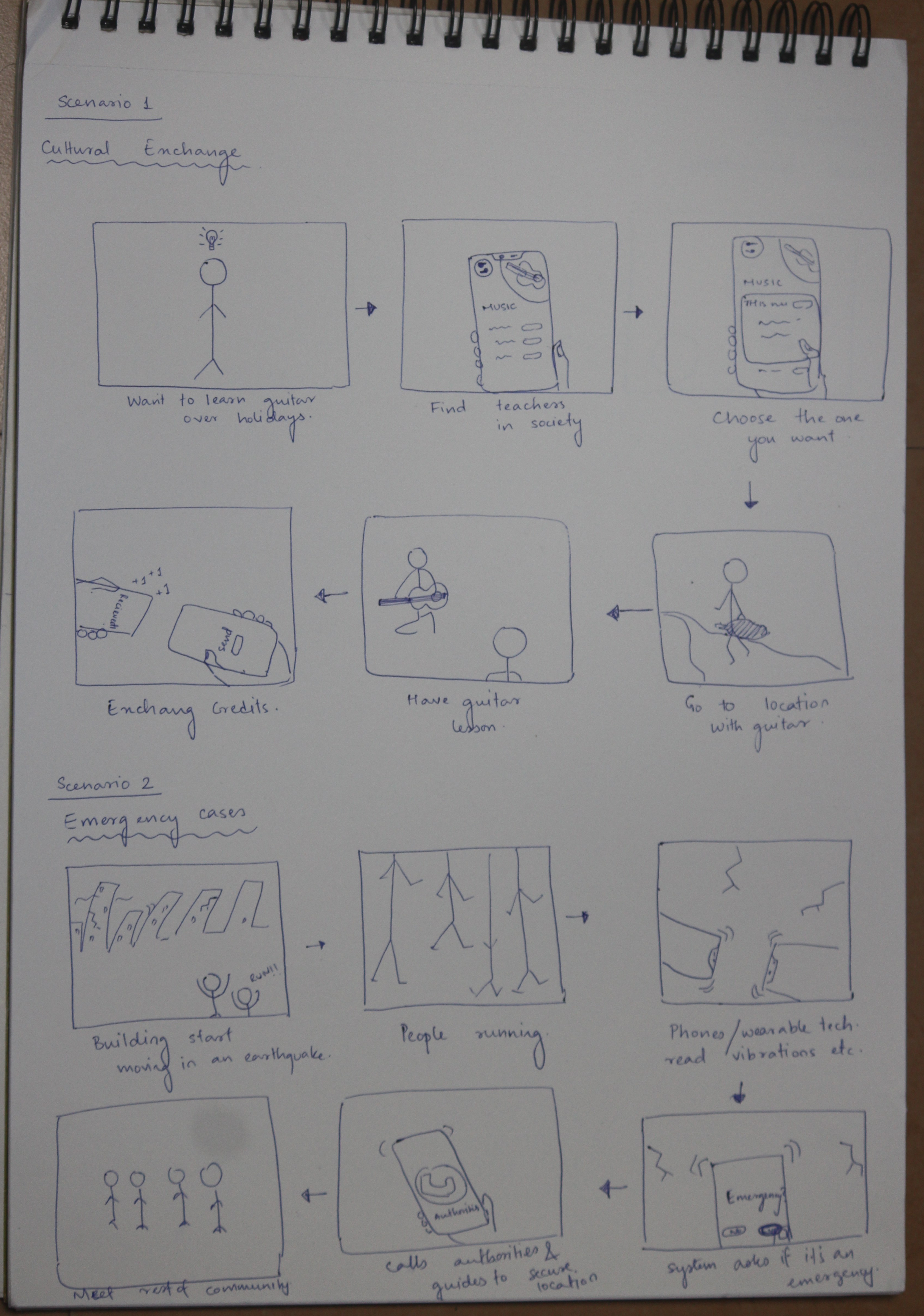
In challenge 4, we tried to create a couple of storyboards that related to real life scenarios wherein Samudai could actually come into effect.
The first scenario looks at the normal interaction situation in a community, while the second one focuses on an emergency situation.
We compared and judged our scenarios relative to the primary criteria board that we had come up with. This helped us realize a lot of flaws as well as possible improvements to the framework.
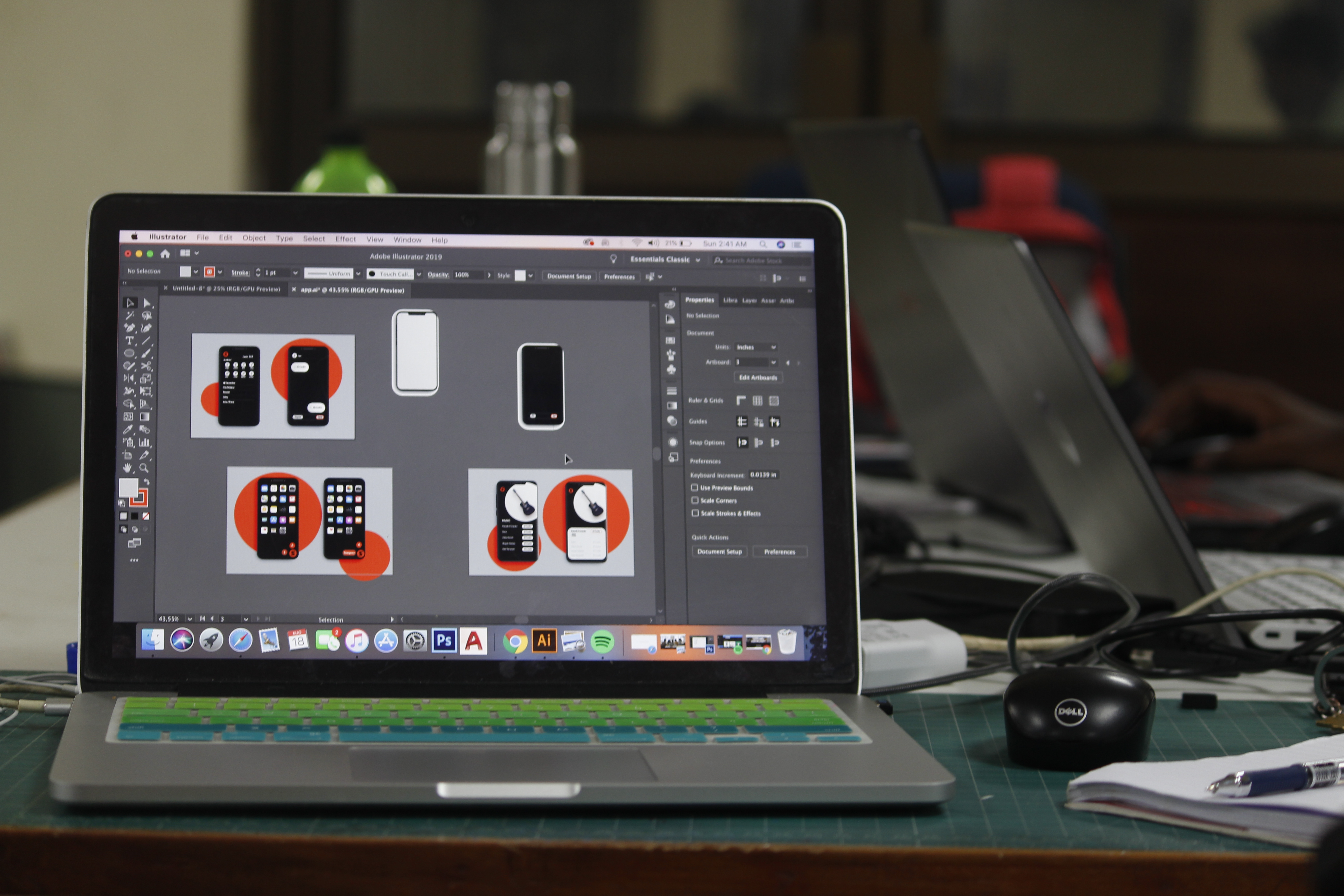
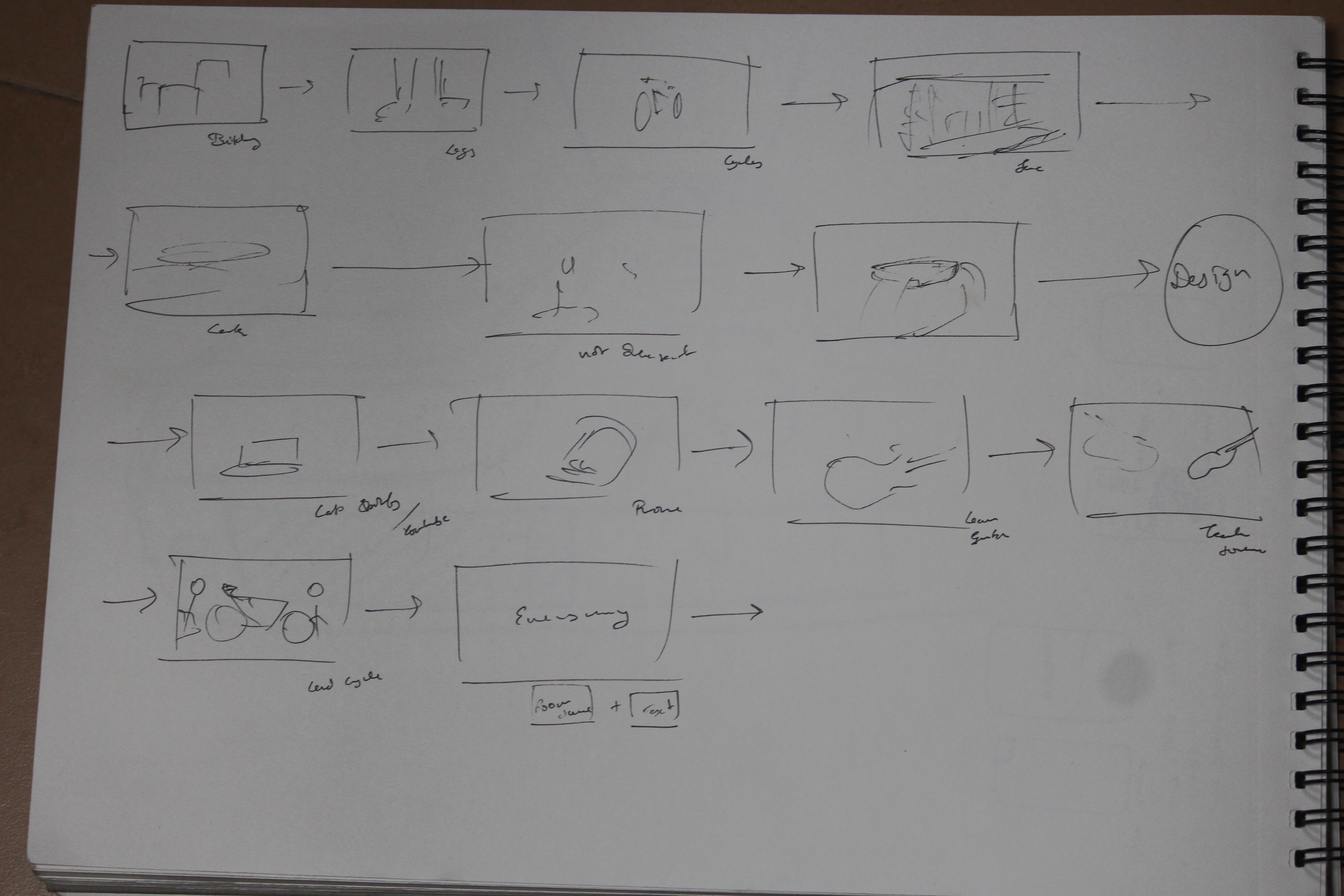
Since we came up with a systems design, we really don’t have a prototype as such, but we do have a simple implementation of our concept on phone screens, and a video implementation.
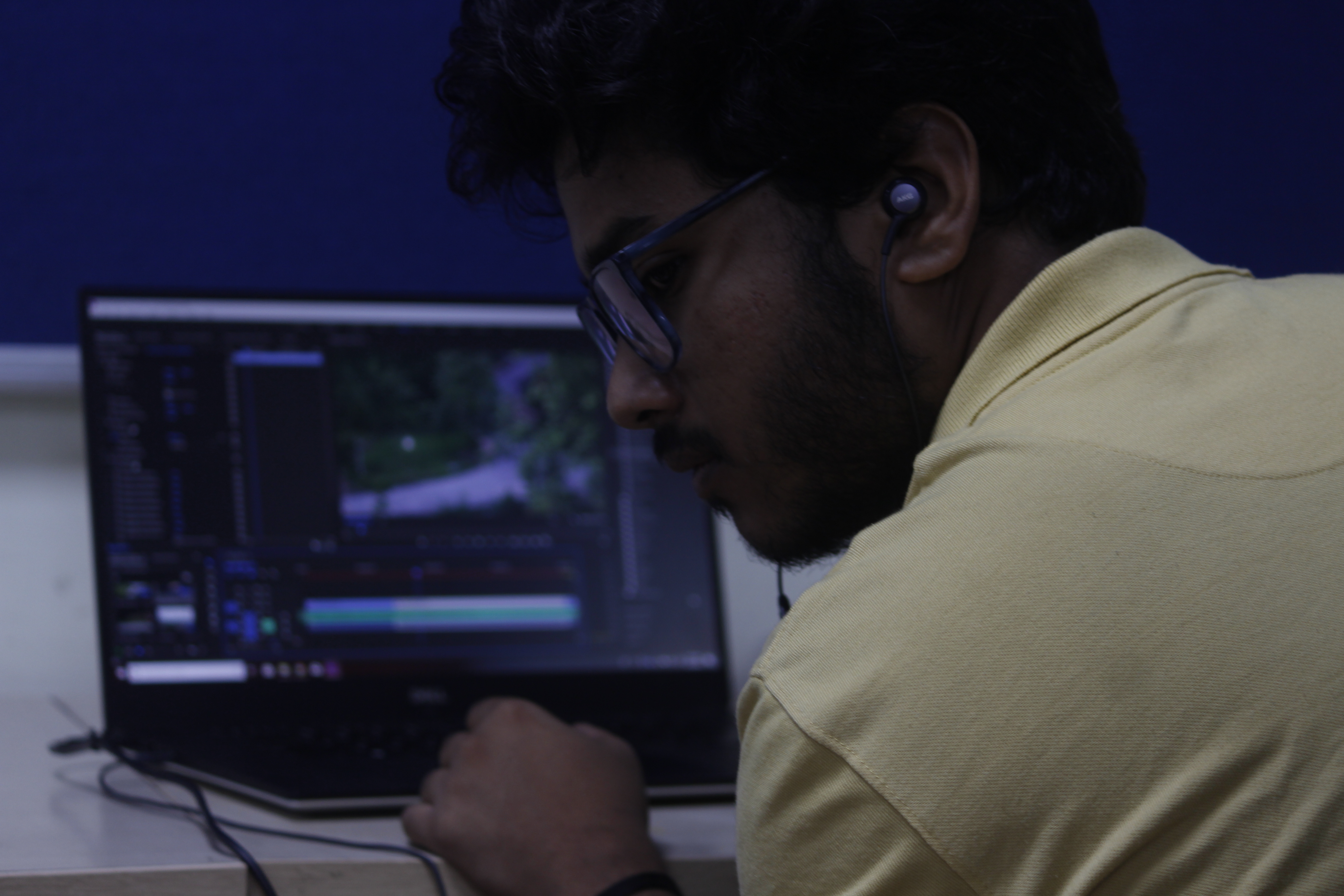
Prototyping was basically hypothetically carried out using a stressor situation, a skill sharing session, and an interaction session during the video shooting.
Designing (more like ideating and brainstorming) was the next phase. We began by searching for problems, and came up with quite a few. We zoomed in on two of those, out of which we selected one.
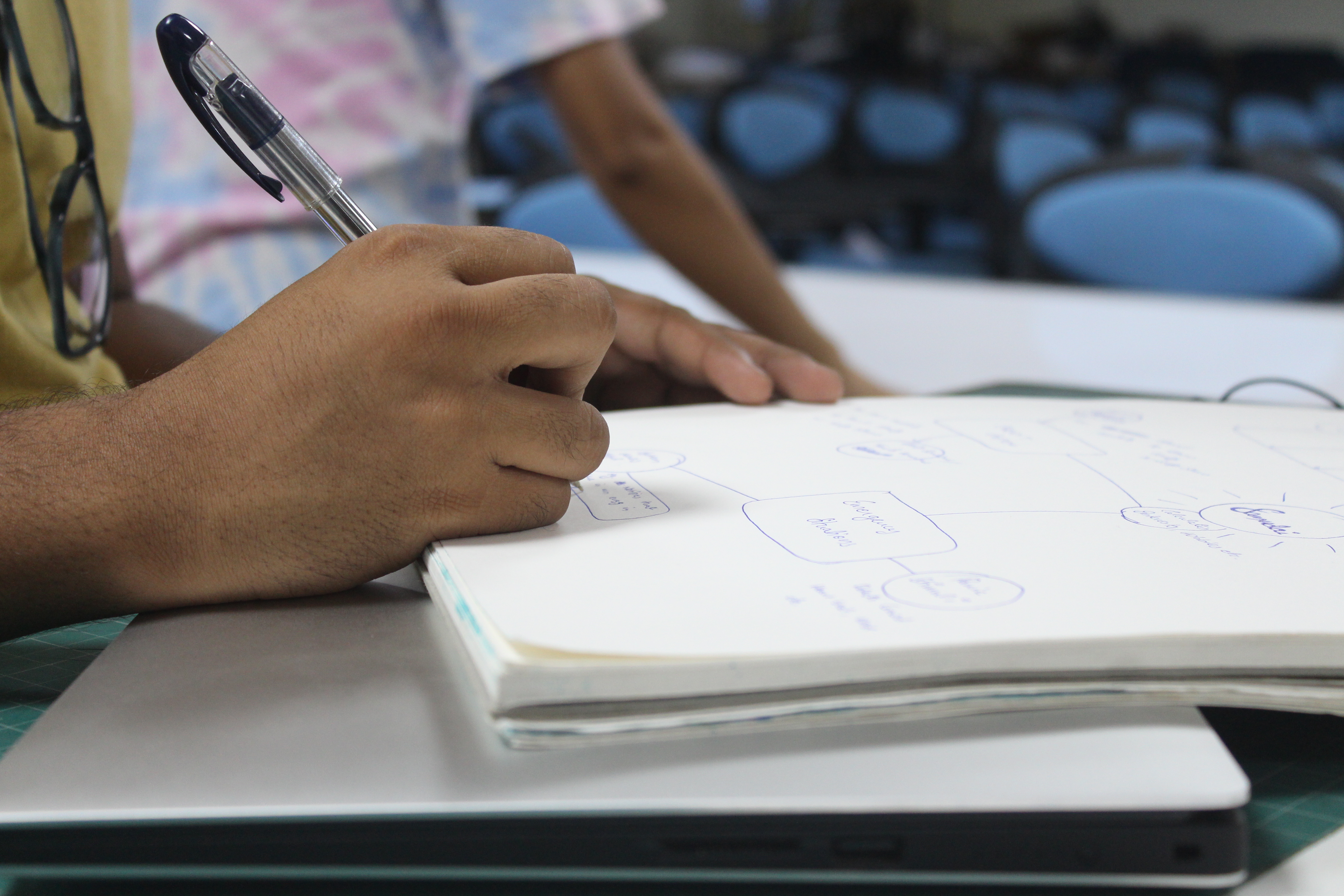
We focused on enhancing interaction between various factions of the community using different forms of tangible and non tangible interfaces, as well as building network and connections within the community.
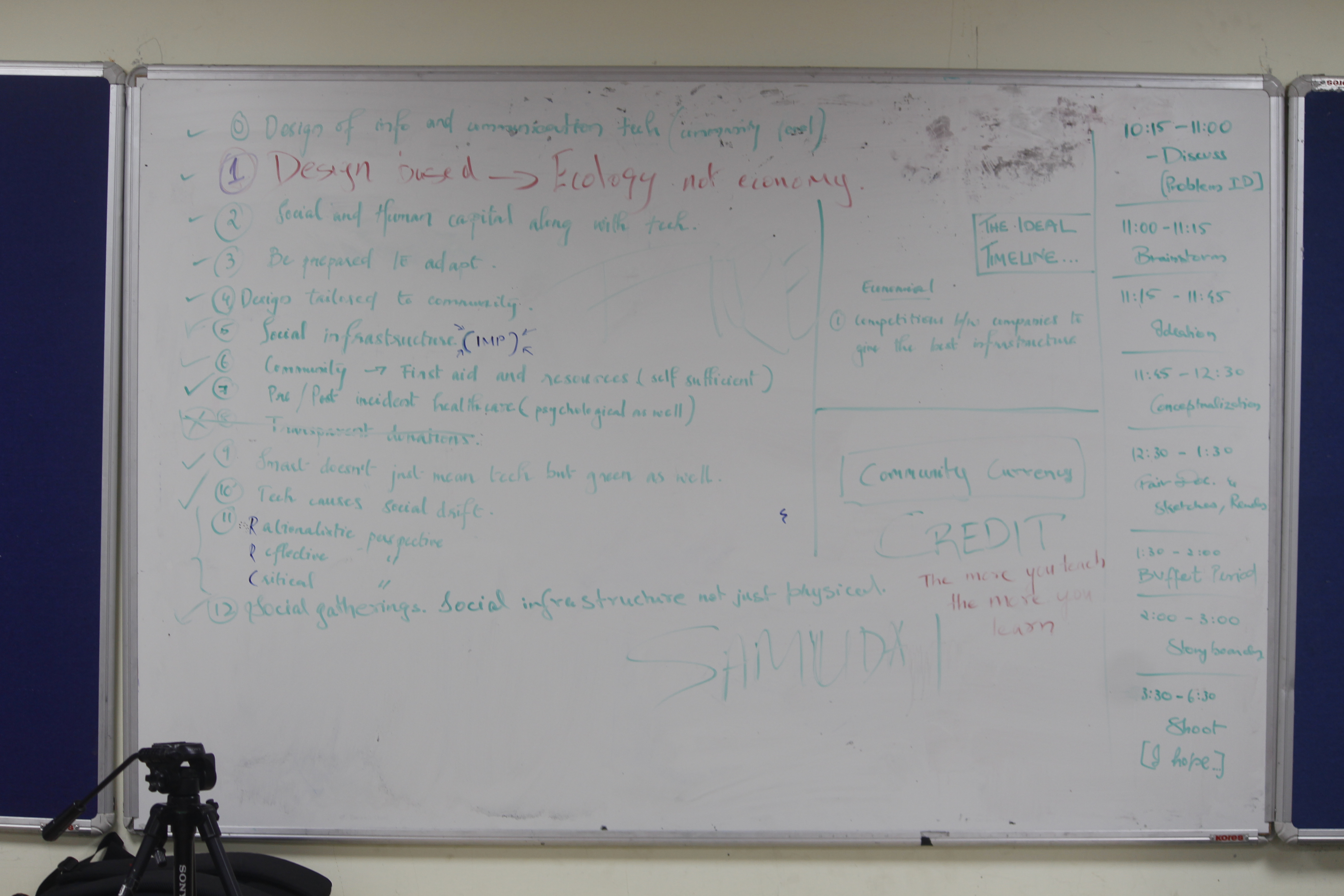
We started the first portion of the SDC by going through the reading material provided and arriving at inferences.
After reading the references, we derived major points and goals that our design must aim to achieve.
These points were the guiding lines on which we carried our ideation and brainstorming forward.
Social epidemiology – edited by Lisa F. Berkman, Echiro Kawachi
● Chandra, A., Acosta, J. D., Howard, S., Uscher-Pines, L., Williams, M. V., Yeung, D., … &
Meredith, L. S. (2011). Building community resilience to disasters. Retrieved from
Click to access RAND_RB9574.pdf
● Hollands, R. G. (2015). Critical interventions into the corporate smart city. Cambridge
Journal of Regions, Economy and Society , 8 (1), 61-77.
● Murray, M., Pantidi, N., & Hogan, T. (2019, June). Conflict and Belonging: Socially engaged
art practice as a resource for resilience-building in rurban communities. In Proceedings of
the 9th International Conference on Communities & Technologies-Transforming
Communities (pp. 60-64). ACM.
● Silberman, M. S. (2015). Information systems for the age of consequences. First Monday ,
20 (8).
● Aldrich, D. P., & Meyer, M. A. (2015). Social capital and community resilience. American
behavioral scientist , 59 (2), 254-269.
Prof. Dr. Nathalie Crutzen, Dr. Rama Kummitha
Smart City Institute, HEC Liège (Belgium)
ERSA Conference, Vienna, 25th August 2016
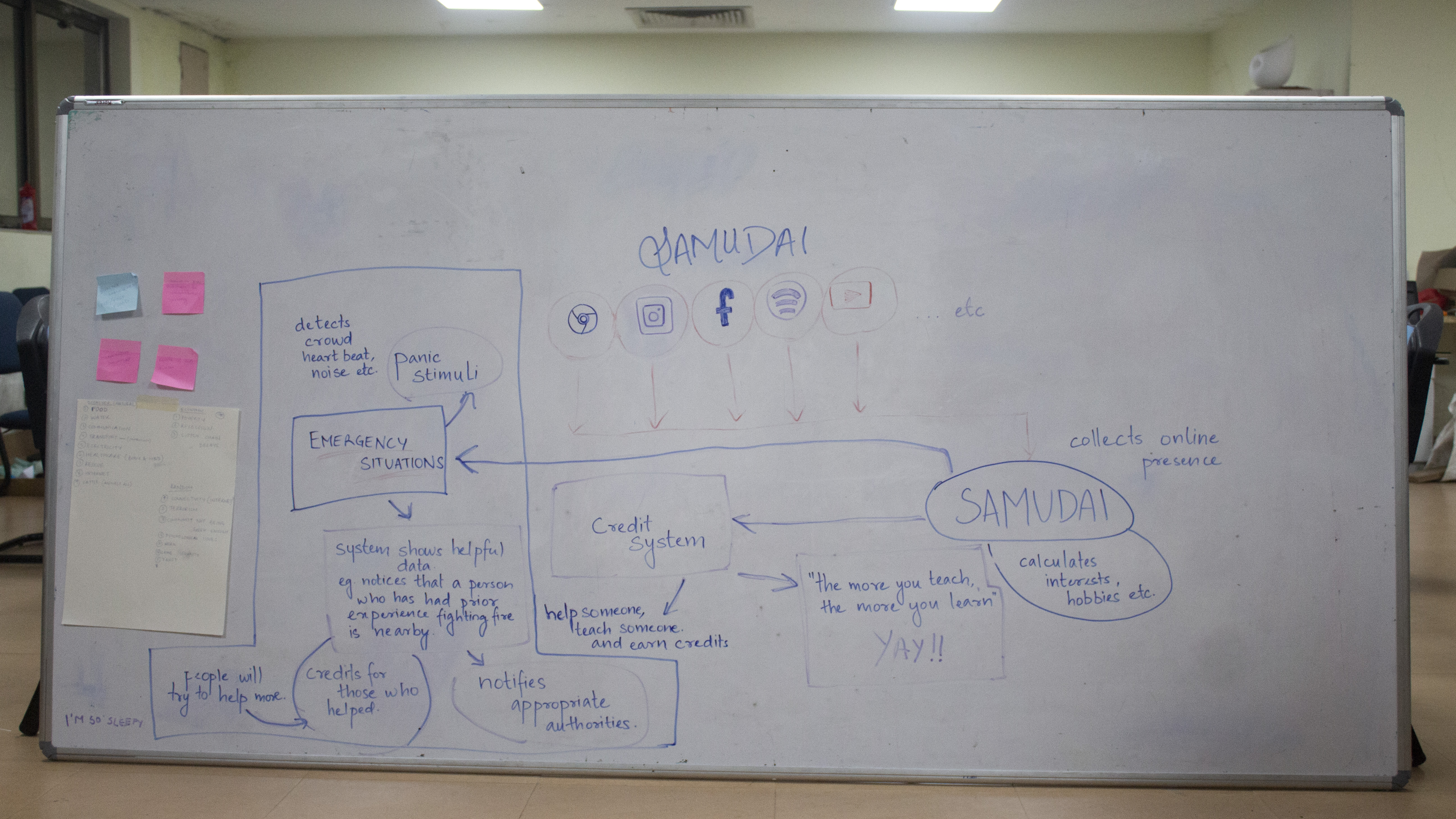
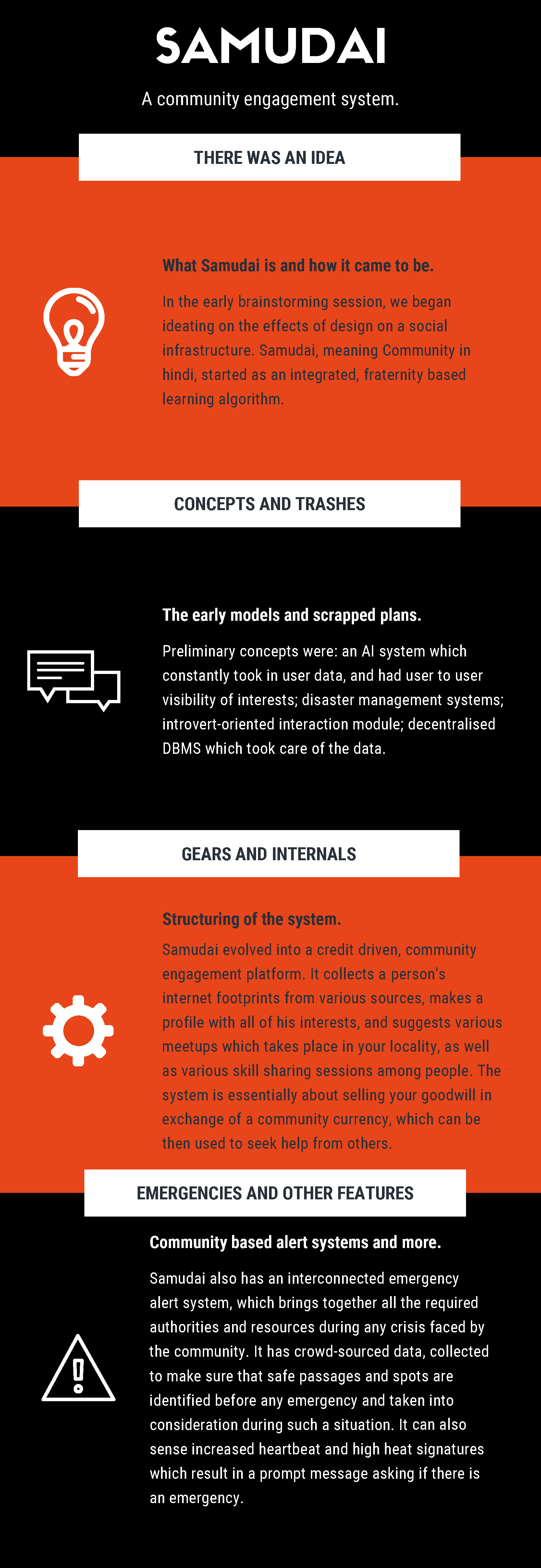
The concept of the Samudai system design is briefly explained within the photo attached herewith.
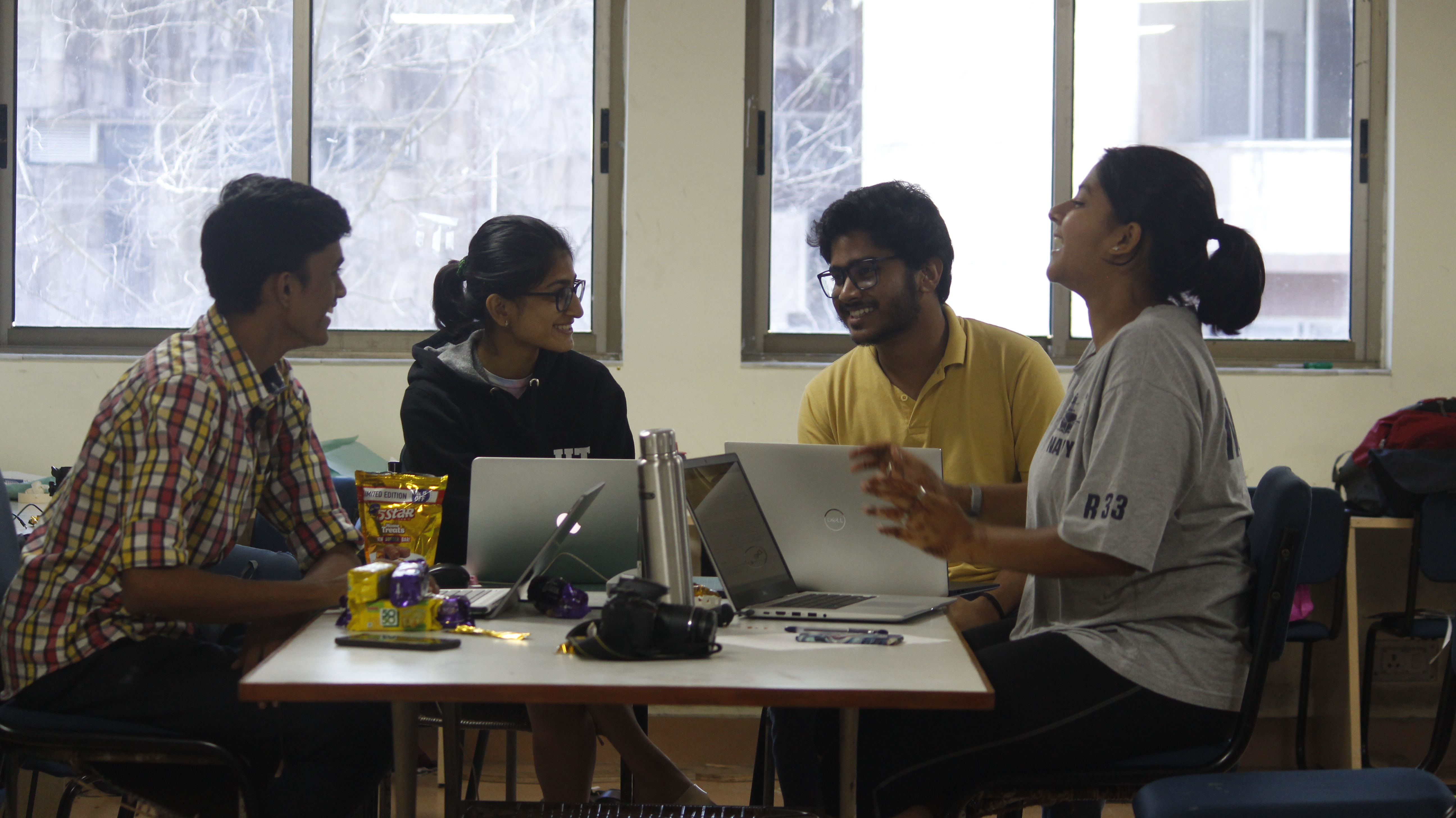
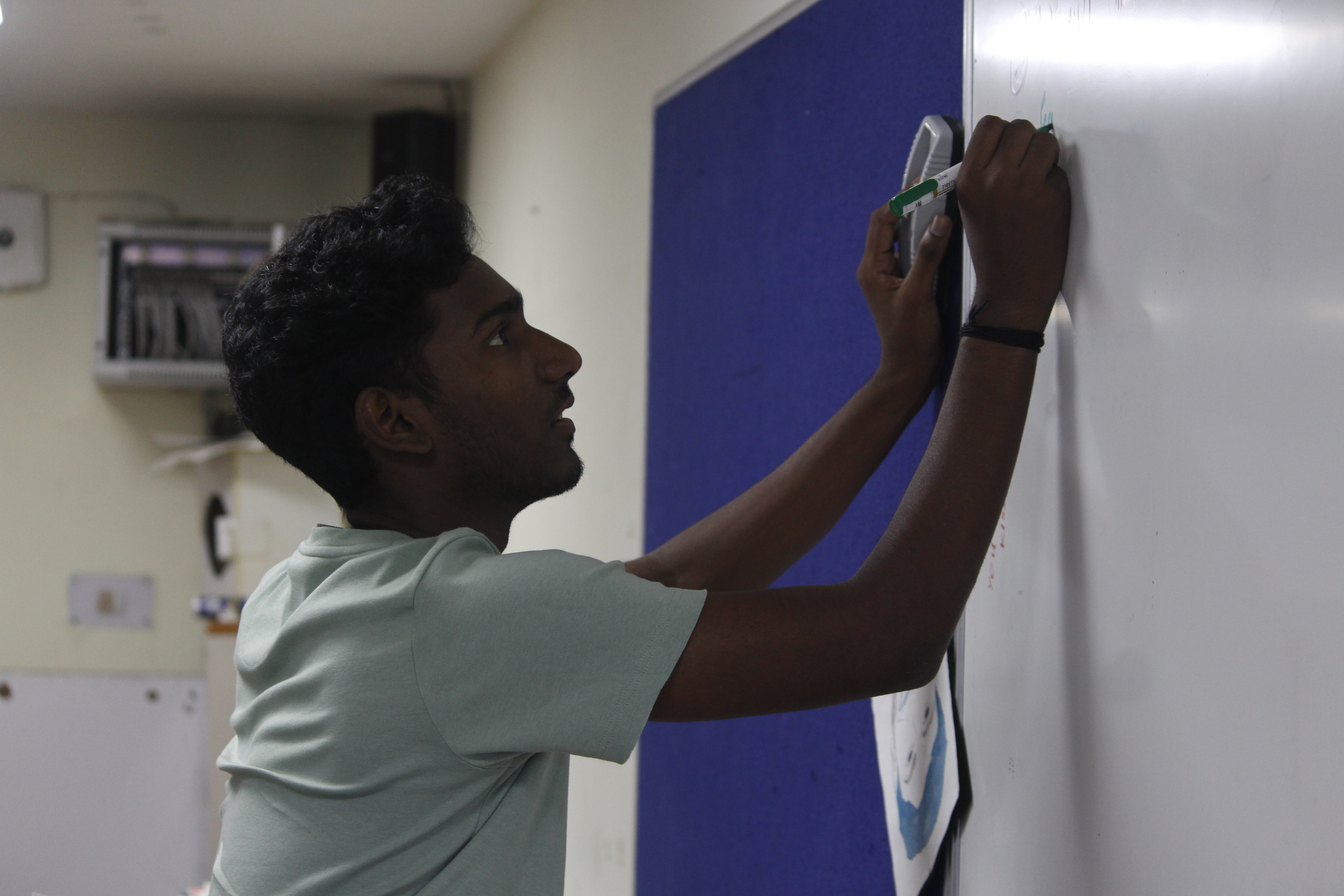
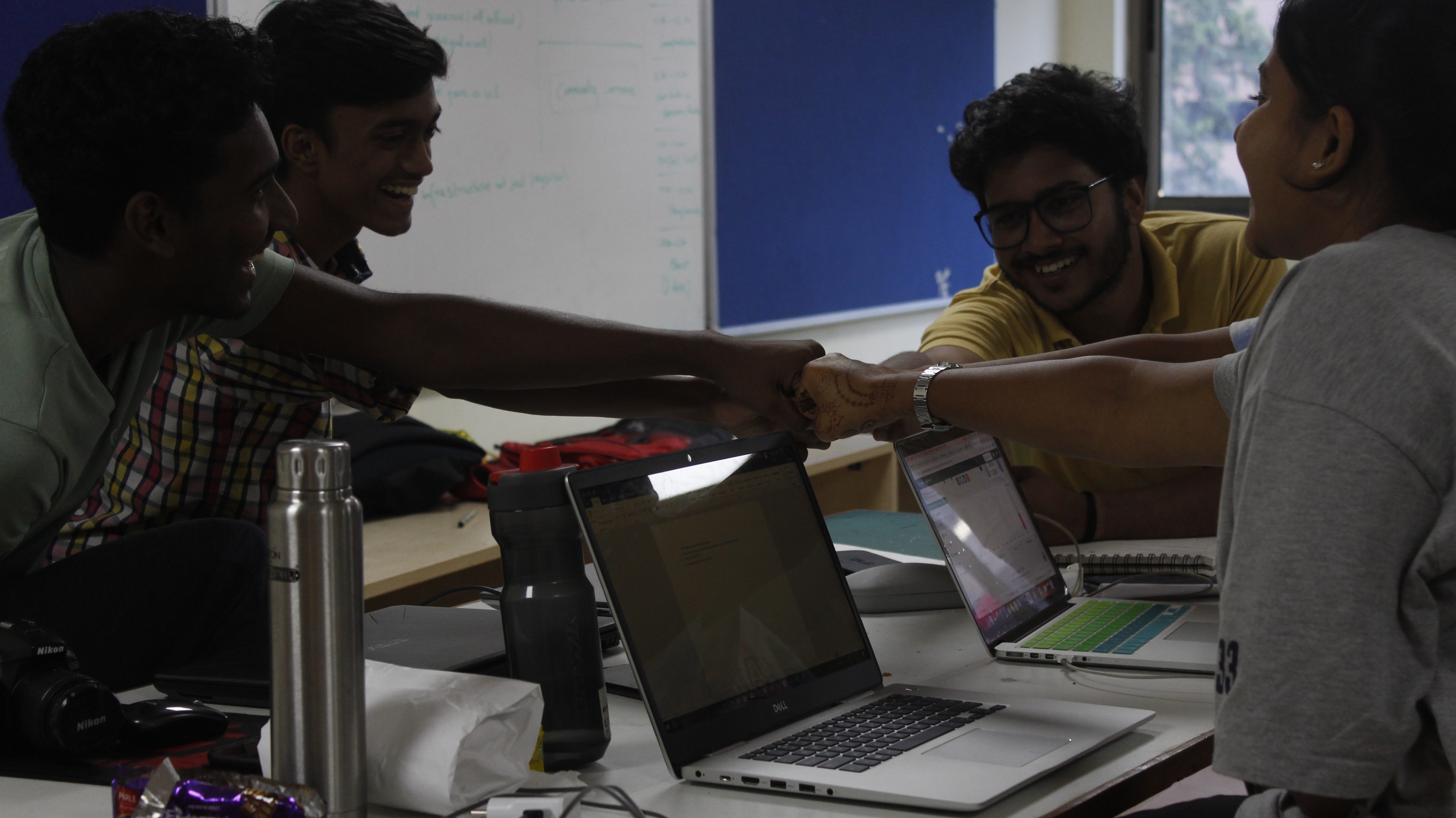
These are a few pictures we clicked throughout the entire evening.
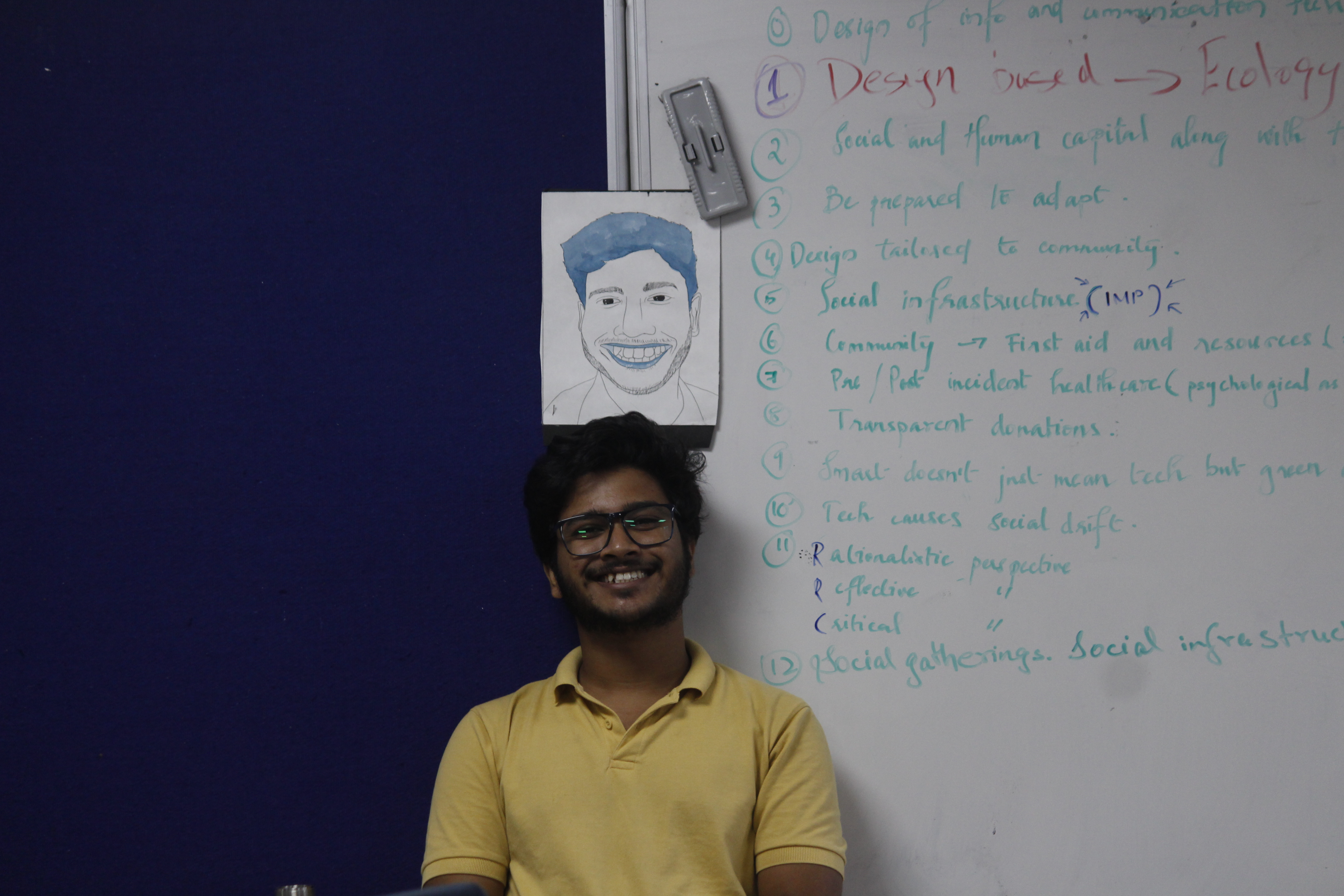
17th August, 7:30 A.M. IST.
We begin work on OzCHI 2019 SDC!
Work starts with us creating a timeline for the entire design process starting from reading references to content uploading (we hope to stick by it :P).
Shortly after, we were joined by Rohit, whose arrival made the team work with utmost efficiency 😛
After a while, we were witnessing steady progress!
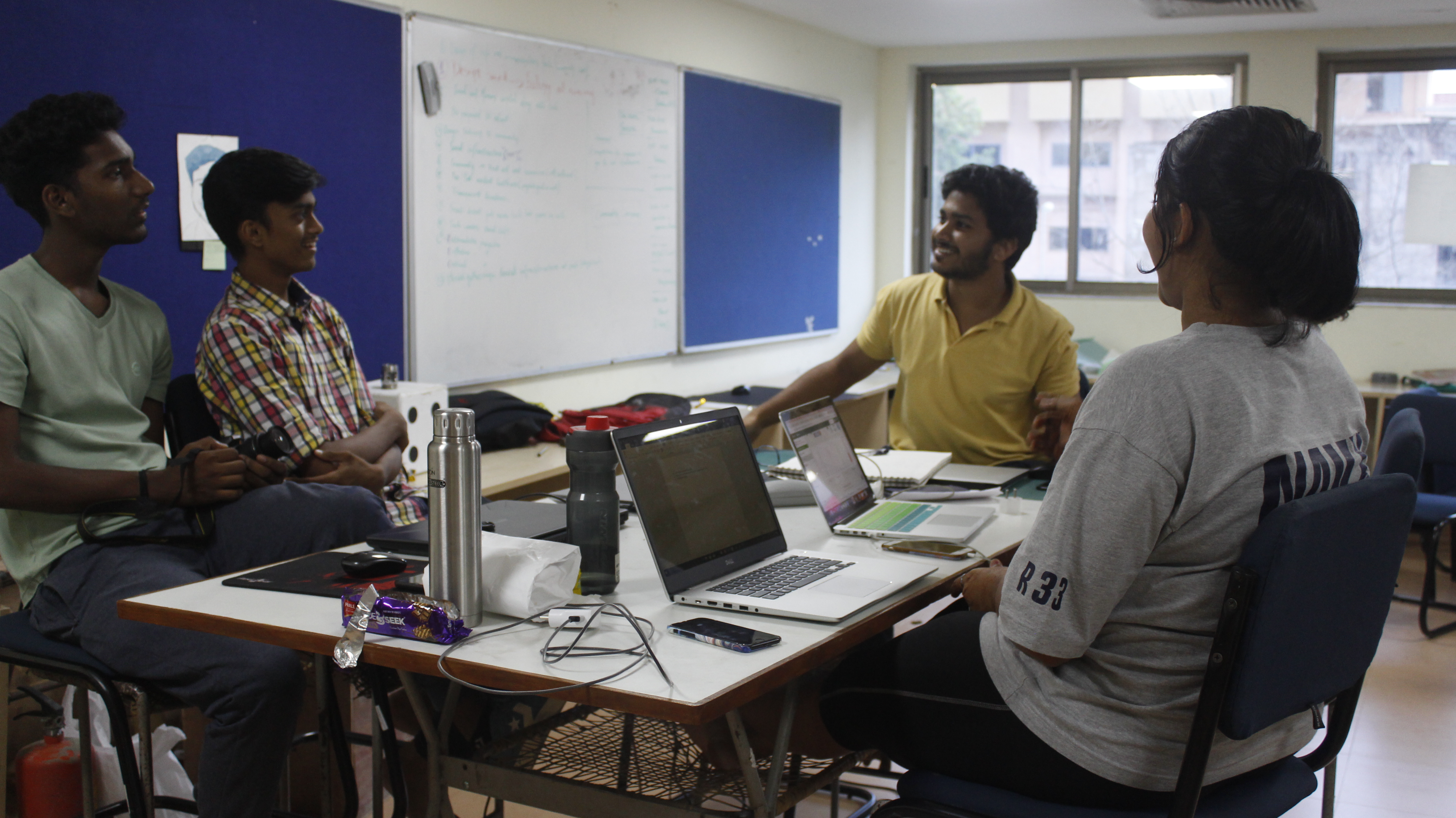
After several stages of creative ideating, we hit upon a final idea that passed both stages 2 and 3 of the Mini Challenges, and we were super pleased!

 Code:Coffee